
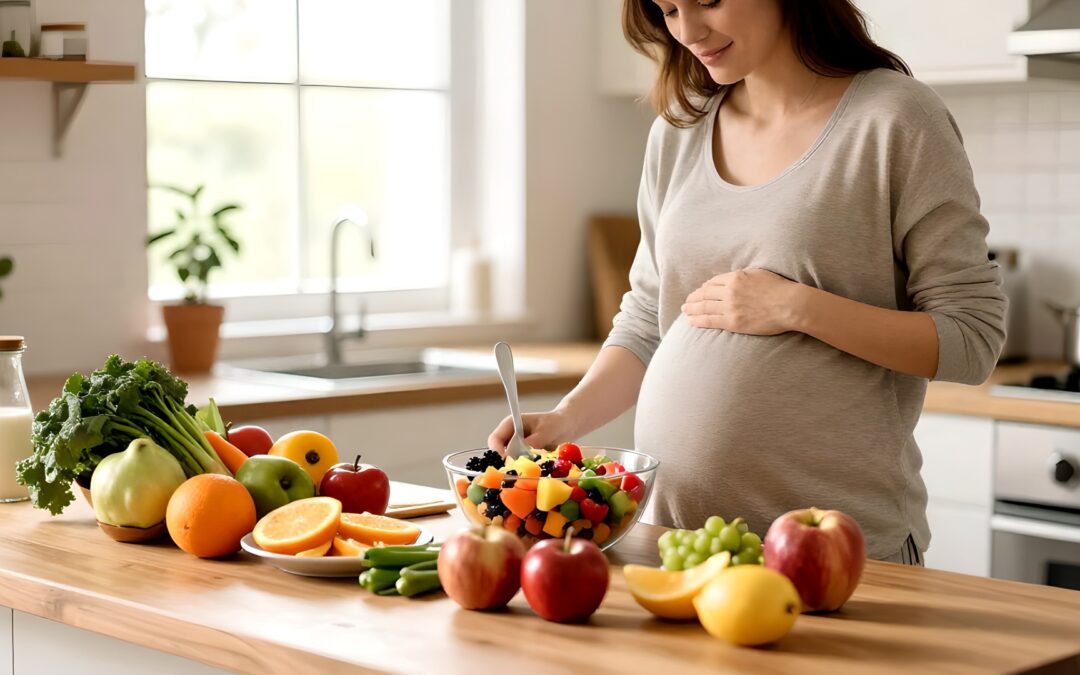
Whether your pregnancy was carefully planned or came as a beautiful surprise, what you eat over the next nine months matters more than you might think. Good nutrition during pregnancy doesn’t just help you feel better—it significantly improves your chances of having a healthy baby and can even reduce your child’s risk of certain chronic conditions later in life.
If the idea of completely overhauling your diet feels overwhelming, take a breath. You don’t need to be perfect. You just need to make consistent, informed choices that support both you and your growing baby. Here’s what actually matters when it comes to pregnancy nutrition.
Start With the Fundamentals: Key Nutrients
Many women enter pregnancy without getting enough of the nutrients that are absolutely crucial for healthy fetal development. The most important ones to focus on include:
Folic acid (folate): This B vitamin is critical for preventing neural tube defects like spina bifida, which develop in the very first month of pregnancy—often before you even know you’re pregnant. You need at least 400-800 micrograms daily, ideally starting before conception.
Iron: Your blood volume increases significantly during pregnancy, so you need extra iron to support both you and your baby. Iron deficiency can lead to anemia, fatigue, and increased risk of preterm delivery.
Calcium: Your baby needs calcium to build strong bones and teeth. If you’re not getting enough through your diet, your body will actually pull calcium from your own bones to supply the baby.
Omega-3 fatty acids (especially DHA): These healthy fats are essential for your baby’s brain and eye development, particularly in the third trimester.
Protein: You need extra protein to support your baby’s growth, especially in the second and third trimesters.
Vitamin D: Essential for bone development and immune function. Many women are deficient, so your doctor may recommend supplementation.
Prenatal Vitamins: Yes, They’re Necessary
Even with the best diet in the world, it’s genuinely difficult to get all the nutrients you need through food alone during pregnancy. That’s where prenatal vitamins come in—they’re specifically formulated to fill in the nutritional gaps.
Research shows that women who take prenatal vitamins or multivitamins regularly in early pregnancy can reduce their risk of preeclampsia (a dangerous condition involving high blood pressure and protein in the urine) by nearly 50%. That’s a pretty significant benefit.
That said, prenatal vitamins can be challenging to take. Many are large pills, and the high iron content can cause constipation, nausea, or stomach irritation—which is the last thing you need when you’re already dealing with morning sickness.
If you’re struggling with your prenatal vitamin, talk to your doctor. There are different formulations available—gummy versions, smaller pills, different iron levels, or brands you can take at night to minimize nausea. Don’t just stop taking them without finding an alternative that works for you.
And please, make sure to tell your doctor or midwife about any supplements you’re taking—including herbal remedies, teas, or over-the-counter vitamins. Not everything “natural” is safe during pregnancy.
The Truth About Calories and “Eating for Two”
Let’s clear something up right away: “eating for two” doesn’t mean doubling your food intake. You actually only need about 300-450 extra calories per day during pregnancy, depending on your trimester. That’s roughly the equivalent of a Greek yogurt with granola and berries, or a peanut butter sandwich and an apple.
In your first trimester, you might not need any extra calories at all—and honestly, if you’re dealing with morning sickness, you might struggle to eat your normal amount anyway. Some women actually lose a few pounds in the first trimester due to nausea and food aversions, and that’s usually okay as long as you’re staying hydrated.
If you’re experiencing persistent nausea or vomiting (especially if you can’t keep anything down for more than 24 hours), definitely tell your doctor. Severe morning sickness, called hyperemesis gravidarum, can lead to dehydration and may require medical treatment.
The good news is that for most women, morning sickness starts to improve significantly after the first trimester, usually around 12-14 weeks. If yours persists longer, you’re not alone—some women deal with nausea throughout pregnancy, but there are treatments and strategies that can help.
What Those Extra Calories Should Actually Look Like
When you do start eating more, focus on nutrient-dense foods rather than just adding empty calories. Your baby needs quality nutrition, not just quantity. Here are some examples of healthy 300-calorie additions:
A smoothie with Greek yogurt, berries, spinach, and a tablespoon of nut butter
Two hard-boiled eggs with whole grain toast and avocado
Oatmeal made with milk, topped with nuts and sliced banana
A chicken and vegetable wrap with hummus
A handful of almonds with an apple and cheese
That said, it’s absolutely okay to indulge pregnancy cravings sometimes. If you’re craving ice cream or pizza, go for it—just don’t make it your primary diet. Balance is key.
Weight Gain: What’s Actually Healthy
Pregnancy weight gain can feel like a sensitive topic, but gaining an appropriate amount of weight is genuinely important for both your health and your baby’s health. Too little or too much weight gain can both lead to complications.
Here are the current recommendations based on your pre-pregnancy BMI:
Underweight (BMI under 18.5): Gain 28-40 pounds
Normal weight (BMI 18.5-24.9): Gain 25-35 pounds
Overweight (BMI 25-29.9): Gain 15-25 pounds
Obese (BMI 30+): Gain 11-20 pounds
If you’re carrying twins, you’ll need to gain more—typically 37-54 pounds for normal weight women.
Women who are overweight or obese before pregnancy do face higher risks of complications like gestational diabetes, preeclampsia, and delivery difficulties. However, pregnancy is absolutely not the time to diet or try to lose weight. Instead, work closely with your healthcare provider and possibly a registered dietitian to create an eating plan that supports healthy weight gain while managing any health concerns.
The Long-Term Impact of Pregnancy Nutrition
Here’s something that might surprise you: research increasingly shows that what you eat during pregnancy doesn’t just affect your baby’s immediate development—it can actually influence their long-term health risks for conditions like heart disease, diabetes, and obesity.
There’s even emerging research suggesting that your own mother’s diet during her pregnancy with you may have affected your health. This concept, called fetal programming or developmental origins of health and disease, is still being studied, but the evidence is clear that maternal nutrition matters far beyond just birth weight.
This isn’t meant to add pressure or make you feel guilty about every food choice. It’s simply to emphasize that the effort you’re putting into eating well during pregnancy is genuinely worthwhile and has benefits that extend well beyond delivery day.
Keep Smiling
Good pregnancy nutrition doesn’t require perfection—it just requires consistency and making informed choices most of the time. Focus on getting enough of the key nutrients (especially folic acid, iron, calcium, and omega-3s), take your prenatal vitamin even when it’s annoying, eat nutrient-dense foods when you add extra calories, and aim for appropriate weight gain based on your starting weight.
If you’re struggling with morning sickness, food aversions, or specific dietary challenges, don’t try to power through alone. Talk to your healthcare provider—they can offer practical solutions, prescribe medications if needed, or refer you to a registered dietitian who specializes in pregnancy nutrition.
You’re growing an entire human being, which is honestly incredible. Give yourself grace, make the best choices you can, and remember that asking for help when you need it is a sign of strength, not weakness.