
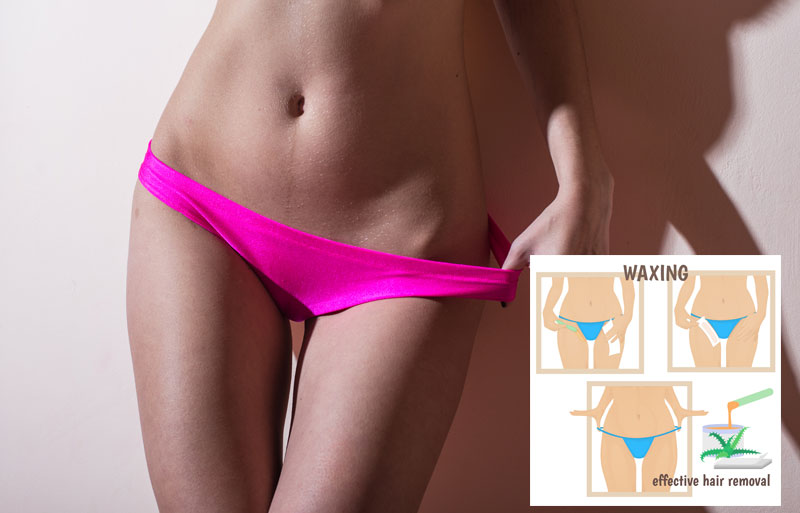
If you’re curious about Brazilian waxes but not entirely sure what they involve, you’re not alone. The term gets thrown around, but the actual details—what it removes, how it feels, what the experience is really like—aren’t always clear.
Let’s start with the basics: a Brazilian wax is a form of hair removal that takes off all or nearly all pubic hair from the front, the labia, and the area between your cheeks. It’s more thorough than a regular bikini wax, which only removes hair visible outside your underwear line.
Some women love it. Some try it once and decide it’s not for them. And some are curious but hesitant because the whole thing sounds intimidating or unnecessarily extreme.
Here’s the truth: it’s not extreme, it’s not weird, and it’s definitely not something you’re required to do. It’s a grooming choice, and like all grooming choices, it’s entirely personal. If you’re considering it, understanding what actually happens—without the hype or judgment—helps you decide if it’s something you want to try.
What Exactly Gets Removed
A Brazilian wax removes pubic hair from three main areas: the front (pubic mound), the labia (outer and inner lips), and the perianal area (between your cheeks and around your anus).
Unlike a bikini wax, which only tidies the hair that would show in swimwear, a Brazilian is comprehensive. You end up completely smooth in areas that normally have hair.
Variations exist:
- Full Brazilian: Everything is removed—front, sides, labia, and back
- Modified Brazilian (or “landing strip”): A small strip or triangle of hair is left at the front, but everything else is removed
You can tell your aesthetician what you prefer. If you want to leave some hair at the front, just say so. If you want everything gone, that’s fine too. This is your choice, and good aestheticians will accommodate your preference without judgment.
Why Women Choose Brazilian Waxes
Women get Brazilians for different reasons, and all of them are valid.
For themselves: Many women genuinely prefer how smooth skin feels. It feels cleaner to them, more comfortable in certain clothes or during exercise, or just more aligned with how they want their body to feel.
For their partner: Some women know their partner finds it attractive or enjoys the sensation during intimacy. If that response makes her feel desired and confident, that’s a legitimate reason to choose it.
For both: Often it’s a combination—she likes how it feels, and he responds enthusiastically, which reinforces why she likes it.
Curiosity: Some women just want to try it once to see what the experience is like and how they feel about the results.
What matters is that the choice feels like yours. If you’re doing it because you genuinely want to—for whatever reason—that’s different from feeling pressured or obligated. The former is empowering. The latter is exhausting.
Where the Idea Came From
The Brazilian wax became popular in the U.S. in the late 1980s and early 1990s, introduced by a group of Brazilian sisters who opened a salon in New York City. The style was common in Brazil, where minimal swimwear (think: thong bikinis on Rio beaches) made full hair removal practical and desirable.
It initially seemed shocking or extreme to many Americans, but media exposure, celebrity endorsement, and shifting beauty norms gradually made it mainstream. By the 2000s, it was a standard salon service rather than a niche request.
Cultural attitudes toward pubic hair have shifted significantly over the past few decades. What was once considered unusual is now common. That doesn’t mean it’s required—just that it’s no longer seen as odd or inappropriate to choose it.
What Actually Happens During the Appointment
If you’ve never had a Brazilian, walking into that appointment can feel nerve-wracking. Knowing what to expect reduces anxiety significantly.
Privacy: The service takes place in a private room. You’ll undress from the waist down. Some salons provide disposable underwear or a small towel, but most aestheticians work with you completely undressed in that area because positioning requires full access.
Positioning: You’ll lie on a treatment table, usually starting on your back with your knees bent and legs apart. The aesthetician will guide you into different positions throughout the service—sometimes holding one leg to the side, sometimes flipping onto your stomach or pulling your knees toward your chest to access the back area.
Yes, it’s intimate. Yes, it feels vulnerable at first. But aestheticians do this all day, every day. Your body is not going to surprise or shock them. They’re focused on doing their job efficiently and as comfortably as possible for you.
The waxing process: Warm wax is applied in small sections, following the direction of hair growth. A cloth strip is pressed over the wax, then pulled off quickly in the opposite direction. Sometimes hard wax is used (which doesn’t require strips and is often gentler on sensitive areas).
The aesthetician works in small sections rather than trying to remove large areas at once. The process is methodical and relatively fast. Most Brazilian waxes take 15–30 minutes depending on hair thickness and density.
Conversation helps: Many aestheticians chat during the service. It’s not just small talk—it genuinely helps you stay relaxed and distracted. If talking makes you more comfortable, engage. If you’d rather stay quiet and just get through it, that’s fine too.
How It Actually Feels
Let’s not pretend this doesn’t hurt, because it does. But understanding the type of pain and what makes it worse or better helps manage expectations.
The sensation: It’s sharp and intense, but brief. Each strip removal lasts a second or two. The pain doesn’t linger—it spikes when the wax comes off, then fades quickly.
What hurts most: The front pubic area and the labia tend to be the most sensitive because of denser nerve endings. Many women are surprised that the area between the cheeks is often less painful than expected—the skin there is tougher and less sensitive.
What makes it worse:
- Tensing up or clenching muscles
- Scheduling during the week before your period (hormones increase sensitivity)
- Very thick or coarse hair (first-timers usually hurt more)
- Anxiety and anticipation
What makes it better:
- Staying relaxed and breathing through each strip
- Taking ibuprofen 30 minutes beforehand
- Going to an experienced aesthetician who works quickly and efficiently
- Regular waxing (it genuinely gets easier over time as hair grows back finer)
The first Brazilian is almost always the most uncomfortable. If you decide to continue, subsequent appointments are noticeably easier.
What to Expect Immediately After
Right after your wax, your skin will be red and slightly inflamed. This is completely normal. The redness usually fades within a few hours, though some women stay pink for up to a day.
You might see small white bumps where the hair was removed, or tiny spots of blood at the follicles. Both are normal and resolve quickly.
Your skin will be sensitive. Avoid anything that causes friction, heat, or irritation for at least 24 hours:
- Skip tight clothing
- Avoid hot showers, baths, or saunas
- No intense exercise that causes sweating
- No sex (friction on freshly waxed skin is unpleasant)
- No swimming in chlorinated pools or hot tubs
What helps: Loose cotton underwear, soothing gel or aloe vera, and giving your skin time to calm down.
How Long Results Last
Because the hair is removed from the root (not just cut at the surface like shaving), results last significantly longer.
Most women stay smooth for 3–4 weeks before regrowth becomes noticeable. Some women get a full month. It depends on your individual hair growth rate.
Regrowth is different from shaving: When hair grows back after waxing, it comes in softer and finer rather than stubbly. Over time, with regular waxing, hair often becomes sparser and grows back more slowly.
Maintenance scheduling: If you want to maintain smooth skin consistently, book your next appointment about 4–5 weeks after your first wax. Hair needs to be about ¼ inch long (roughly 3–4 weeks of growth) for the wax to grip effectively.
The Real Pros and Cons
Why women love it:
- Smooth skin for weeks with no daily maintenance
- No visible hair in swimwear, underwear, or during intimacy
- Softer, finer regrowth compared to shaving
- No razor burn, stubble, or irritation from daily shaving
- Many women feel cleaner and more confident
Why some women don’t:
- It hurts, especially the first few times
- It’s more expensive than shaving (typically $50–$80+ per session)
- It requires letting hair grow out between appointments
- Temporary redness and sensitivity after each wax
- Risk of ingrown hairs if aftercare isn’t followed
- The vulnerability and intimacy of the experience itself
Both sets of experiences are valid. What works beautifully for one woman doesn’t work for another, and that’s completely fine.
Safety and What to Watch For
Brazilian waxing is safe when performed by a trained professional in a clean, reputable salon. Risks increase significantly in unsanitary conditions or with poorly trained aestheticians.
What to look for in a salon:
- Aestheticians wear gloves
- Wax is never double-dipped (they should use a fresh applicator stick each time)
- The room and table are clean
- They ask about medications, skin conditions, and any concerns before starting
Normal aftereffects:
- Redness and slight swelling for a few hours
- Small white bumps at the follicles
- Minor sensitivity for 24 hours
Not normal (see a doctor if this happens):
- Severe pain that doesn’t subside
- Signs of infection (pus, increasing redness, fever)
- Excessive bleeding or skin tearing
- Rash or allergic reaction that worsens
If something feels wrong, trust your instincts. Don’t return to a salon where you felt unsafe or where hygiene seemed questionable.
Preventing Ingrown Hairs
Ingrown hairs are one of the most common frustrations with waxing. As hair grows back, some hairs curl under the skin instead of breaking through the surface, creating red bumps that can be itchy or uncomfortable.
How to prevent them:
- Exfoliate gently 2–3 times per week starting 48 hours after your wax
- Moisturize daily with a lightweight, non-comedogenic lotion
- Avoid tight clothing that creates friction over the waxed area
- Don’t pick, scratch, or squeeze ingrown hairs (this can cause infection or scarring)
If you’re prone to ingrown hairs, some salons offer specialized products or treatments designed to minimize them. Ask your aesthetician for recommendations.
Is a Brazilian Wax Right for You?
Only you can answer that, and the answer might be “I don’t know until I try it.”
If you’re genuinely curious, if the idea of smooth skin for weeks appeals to you, if your partner’s enthusiasm makes you feel desired rather than pressured—those are all reasonable motivations to try it.
If you’re doing it solely because you feel you’re supposed to, or because everyone else is, or because a partner is pressuring you—pause and reconsider. Grooming choices should feel empowering, not obligatory.
And if you try it once and decide it’s not for you? That’s valuable information. You don’t owe anyone a specific grooming standard. Your body, your choice.
The Bottom Line
A Brazilian wax is a thorough form of pubic hair removal that leaves you smooth for weeks. It involves discomfort, requires proper aftercare, and isn’t for everyone—but for many women, it’s a grooming choice they genuinely prefer.
If you’re considering trying it, choose a reputable salon, prepare properly (see our guide: How to Prepare for a Brazilian Wax), and go in with realistic expectations about discomfort and results.
And if you decide after one session that it’s not your thing? That’s completely fine. You tried it, you learned something about your preferences, and now you know.
Your comfort and confidence matter most. Whether that means getting regular Brazilians, sticking with shaving, trimming, or doing nothing at all—the right choice is the one that makes you feel good in your own body.