
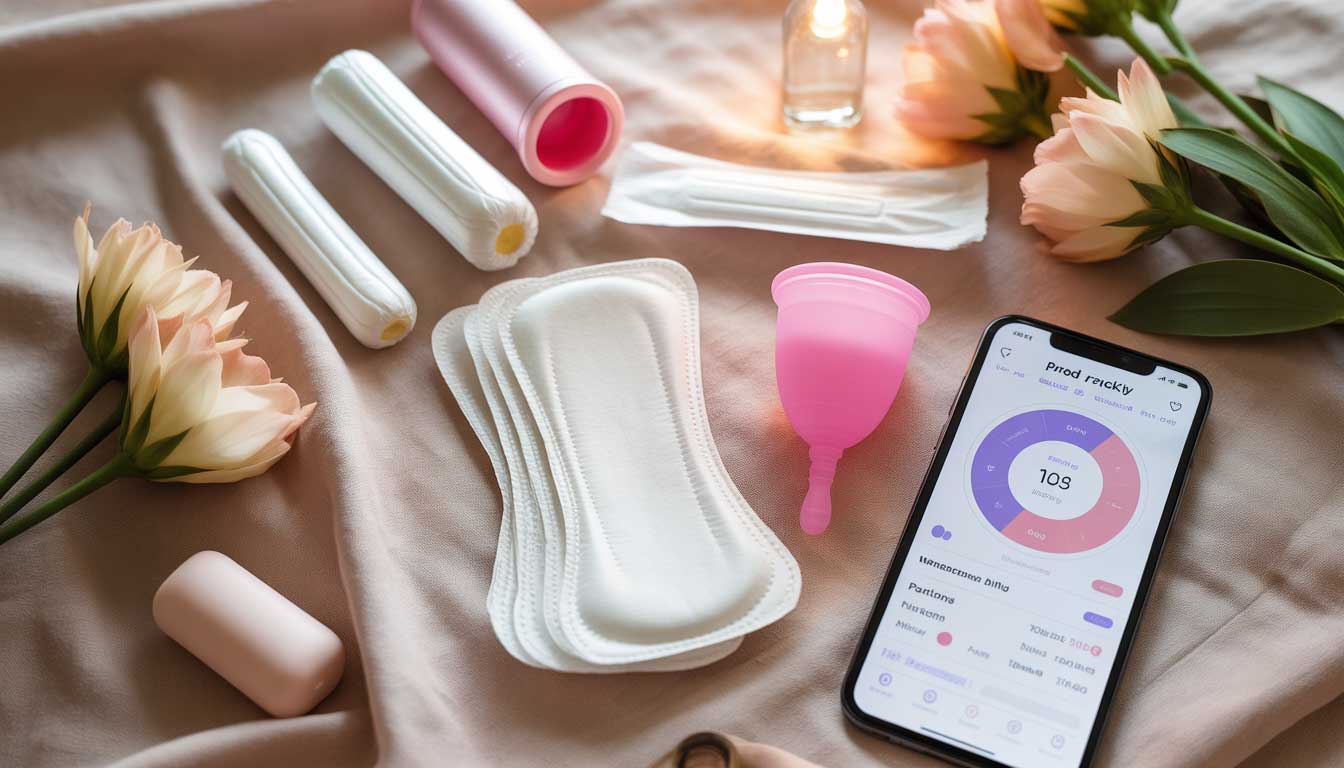
Few things feel worse than being caught off-guard by your period—especially when you’re in public, at work, or nowhere near your emergency stash of tampons. Whether you’re just starting to menstruate or you’ve been dealing with periods for years, knowing how to track your cycle and prepare for it can save you from those panic moments of asking strangers if they have a tampon you can borrow.
Here’s everything you need to know about understanding your menstrual cycle, predicting when your period will arrive, and making sure you’re always prepared.
Understanding Your Menstrual Cycle Basics
If you’re new to all of this or just want a refresher, here’s what’s actually happening during your menstrual cycle:
Your menstrual cycle is the monthly process your body goes through to prepare for a possible pregnancy. The average cycle is about 28 days, but normal cycles can range from 21 to 35 days for adults and from 21 to 45 days for teens whose bodies are still regulating.
Here’s what happens in a typical cycle:
Days 1-5 (Menstruation): Your period. The uterine lining that built up to support a potential pregnancy sheds because no fertilized egg implanted. This lining exists through your vagina as menstrual blood. Flow typically lasts 3-7 days.
Days 6-14 (Follicular Phase): Your body starts preparing for ovulation. Follicles in your ovaries mature, and one dominant follicle develops an egg. The uterine lining begins rebuilding.
Days 14-16 (Ovulation): The mature egg is released from the ovary and travels down the fallopian tube. This is your most fertile window—if sperm meets the egg during this time, pregnancy can occur.
Days 15-28 (Luteal Phase): If the egg isn’t fertilized, hormone levels drop, signaling your uterus to shed its lining. This brings you back to Day 1—your period.
Your menstrual cycle is counted from the first day of your period (Day 1) to the day before your next period starts. Understanding this timing helps you predict when your next period will arrive.
How to Track Your Period (The Easy Way)
Tracking your period doesn’t have to be complicated. Here are the best methods:
Period Tracking Apps (Recommended)
Apps like Flo, Clue, Period Tracker, or Apple Health (built into iPhones) make tracking incredibly easy. You simply input the first day of your period each month, and the app calculates your cycle length, predicts your next period, tracks ovulation, and even lets you log symptoms like cramps, mood changes, or headaches.
Most apps send you notifications a few days before your predicted period, so you can prepare in advance. They also track patterns over time, which helps identify irregularities.
Calendar Method (Old-School but Effective)
If you prefer not to use apps, a physical calendar or planner works just fine. Mark the first day of your period with a specific symbol or color each month. After tracking for a few months, you’ll start seeing patterns in your cycle length.
To predict your next period, count forward from the first day of your last period based on your average cycle length (usually 28-30 days, but yours might be different).
Calculating When Your Next Period Will Start
Once you’ve tracked at least 2-3 cycles, calculating your next period becomes pretty straightforward:
Step 1: Determine the first day of your last period. This is Day 1 of your current cycle.
Step 2: Figure out your average cycle length by tracking several months. Count the days from the first day of one period to the first day of the next period. Do this for at least 3 months and calculate the average.
Step 3: Add your average cycle length to the first day of your last period. For example, if your last period started on January 1st and your average cycle is 28 days, your next period should start around January 29th.
Important note: This is a prediction, not a guarantee. Cycles can vary by a few days due to stress, illness, travel, diet changes, or just natural variation. That’s completely normal.
What If Your Period Is Irregular?
If you’re in your first few years of menstruating (typically ages 12-15), irregular periods are completely normal. Your body is still figuring things out, and it can take 2-3 years for cycles to become predictable.
However, if you’re an adult and experiencing significant irregularity—cycles that vary wildly in length, very heavy bleeding, periods that last longer than 7 days, or going months without a period—it’s worth talking to a doctor.
Irregular periods can be caused by:
Polycystic Ovary Syndrome (PCOS)
Thyroid disorders
Significant weight loss or gain
Extreme stress
Excessive exercise
Certain medications
Hormonal birth control (which can actually regulate periods)
A healthcare provider can help identify the cause and recommend treatment if needed.
How to Always Be Prepared
Even with perfect tracking, periods can still surprise you. Here’s how to make sure you’re never caught completely unprepared:
Keep an emergency stash everywhere. Stash tampons or pads in your purse, car, desk at work, gym bag, and anywhere else you spend significant time. Individually wrapped products are compact and discrete.
Start carrying products a few days early. If your app predicts your period will start on Thursday, start carrying supplies on Monday. Better to be prepared a few days early than to be caught off guard.
Know your body’s warning signs. Many people experience PMS symptoms (cramps, breast tenderness, mood changes, bloating, fatigue, food cravings) in the days before their period starts. These can serve as early warnings.
Consider period underwear as backup. Brands like Thinx, Knix, or Modibodi make absorbent underwear that can serve as backup protection or even replace traditional products for lighter days.
Don’t be afraid to ask for help. If you do get caught without supplies, most women will happily share a tampon or pad if you ask. We’ve all been there.
If You’re Trying to Get Pregnant (Or Trying NOT To)
Understanding your cycle is crucial whether you’re trying to conceive or trying to avoid pregnancy.
If you’re trying to get pregnant: Your most fertile window is typically the 5 days before ovulation and the day of ovulation itself. For a 28-day cycle, that’s usually around days 9-14. Period tracking apps can help identify this window based on your specific cycle patterns.
If you’re trying to avoid pregnancy: Do NOT rely on tracking alone as birth control. The “rhythm method” or “fertility awareness” has a high failure rate when used as the sole contraceptive method. Use reliable birth control (condoms, pills, IUDs, etc.) if you want to prevent pregnancy effectively.
Keep Smiling
Tracking your period and understanding your cycle doesn’t have to be complicated. With modern apps, a little consistency in logging when your period starts, and some strategic preparation, you can avoid those emergency tampon requests and the stress of being caught unprepared.
Your cycle is also valuable information about your overall health. Significant changes in your period—length, flow, pain level, or regularity—can sometimes signal health issues worth discussing with a doctor.
Take a few minutes each month to track your cycle, keep emergency supplies stocked, and pay attention to your body’s patterns. Your future self will thank you when your period shows up, and you’re completely prepared.
.