
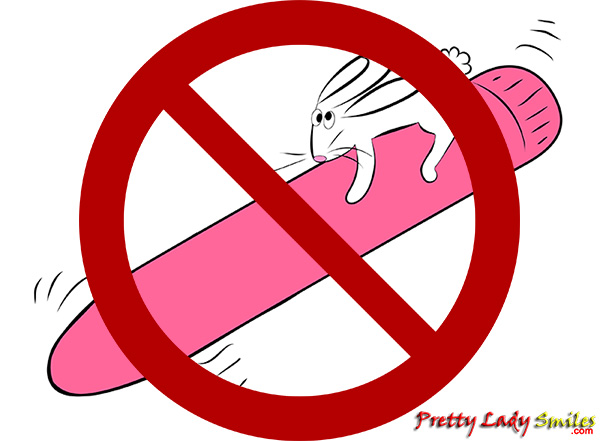
Vibrators are wonderful. They’re reliable, consistent, and for many women, they’re the fastest route to orgasm. But if you’ve become completely dependent on your vibrator—to the point where manual stimulation doesn’t work anymore or you can’t orgasm without it—that dependency can become limiting.
There’s nothing wrong with loving your vibrator. But knowing how to pleasure yourself with just your hands gives you options, freedom, and a deeper understanding of your body’s responses. Plus, hands never need batteries, don’t need charging, and work anywhere without noise or logistics.
If you’ve gotten so used to vibrator stimulation that manual touch doesn’t do much for you anymore, or if you’ve never learned manual techniques that actually work, this guide will help you expand your repertoire and rediscover what your hands can do.
Why Variety Matters
Using the exact same stimulation method every single time—whether that’s a vibrator on the same setting or the same manual technique—can actually make your body less responsive over time. Your nervous system gets used to that specific pattern and needs more intensity to achieve the same result.
Variety keeps your body responsive and engaged. Different types of touch, different rhythms, different pressures—all of this creates new neural pathways and often leads to more intense orgasms. Manual stimulation also tends to feel more intimate and connected to your body than using a tool, which some women prefer.
This doesn’t mean you should throw away your vibrator. It means adding manual techniques to your options, so you’re not limited to one method.
Getting Past Mental Blocks
Some women feel uncomfortable or self-conscious about masturbating with their hands, especially if they’ve relied on vibrators for years. If that resonates, take a moment to examine where that discomfort comes from.
Your body belongs to you. There’s no shame, guilt, or embarrassment warranted in exploring what feels good. Getting to know your body physically and intimately is healthy, normal, and your absolute right.
If you’re experiencing significant mental resistance to manual masturbation—beyond just unfamiliarity—it might be worth examining those feelings, potentially with a therapist if they’re rooted in shame, trauma, or deeply ingrained negative messages about sexuality.
Understanding the Basics
Most women orgasm through clitoral stimulation rather than vaginal penetration alone. While every woman is different, research suggests that stimulation across or around the clitoris—often in diagonal or circular motions—tends to be most effective for many women.
Most women need significant warm-up time and consistent, repetitive stimulation to reach orgasm. On average, it takes about 20 minutes, though this varies widely. Some women need 5 minutes. Others need 45. Neither is wrong—it’s just individual variation.
Don’t treat these as rigid rules. They’re just general patterns that can help you understand what’s normal and give you a starting point for exploration.
Practice Without Pressure
Learning to orgasm with manual stimulation—especially if you’ve been relying on a vibrator for years—takes practice. Your body needs time to relearn sensitivity and responsiveness to different types of touch.
In the beginning, it might feel awkward or ineffective. You might be tempted to reach for your vibrator out of frustration. That’s normal. Give yourself permission to explore without demanding immediate results.
Set aside dedicated time for practice—20-30 minutes a couple times per week is a good start. Make it pleasurable and relaxed rather than goal oriented. Take a bath first, play music you like, wear something that makes you feel attractive, light candles—create an environment that feels sensual and unhurried.
Touch other parts of your body first. Your thighs, stomach, breasts, neck—anywhere that feels good. Let arousal build gradually before moving to direct genital stimulation. Your body responds better to buildup than to immediately jumping to focused touch.
And importantly: never force yourself to masturbate when you’re genuinely not aroused. This is about pleasure and exploration, not obligation.
Exploring Without Performance Pressure
When you’re learning manual techniques, avoid making it goal oriented. Don’t pressure yourself to orgasm within a certain time or using a specific method. That kind of performance pressure sucks the pleasure out of the experience.
Instead, focus on what feels good. Experiment with different types of touch, different pressures, different rhythms. Pay attention to what creates pleasant sensation, even if it doesn’t lead to orgasm immediately.
Yes, orgasm is the destination, but the journey—the exploration and sensation along the way—can be enjoyable too. Rushing to the finish line often makes it harder to get there.
Spend a few weeks trying different techniques. Each time you practice, try a couple different strokes or patterns and notice which ones feel better. Build a mental catalog of what works for your body so you’re not defaulting to just one method every time.
Manual Techniques to Try
Here are specific techniques to experiment with. These are starting points—as you become more aroused, you’ll instinctively adjust toward what feels best for you in that moment.
Diagonal strokes: Using one or two fingers, stroke diagonally across your clitoris from one side to the other. If you imagine a clock with 12 near your belly button and 6 near your anus, try stroking from 1 to 7 (if you’re right-handed) or 11 to 5 (if you’re left-handed). This often hits the most sensitive areas without direct clitoral pressure.
Circular motion around the clitoris: Use one finger to make small circles around your clitoris without directly touching it. This builds arousal gradually and can feel less overwhelming than direct touch.
Varying finger count and pressure: Try rubbing your clitoris with one finger, then two, then three or four, or even your whole hand. Notice how different amounts of surface area and pressure change the sensation.
Side-to-side pressure: Place two fingers on either side of your clitoris (not directly on top) and rub up and down or side to side. This creates indirect stimulation that many women find more pleasurable than direct touch.
Tapping or light “spanking”: Using wet fingers, lightly tap or gently pat your clitoris. The rhythm and light impact can create intense sensation for some women.
Feather-light touch: Use the absolute lightest touch possible—barely grazing your clitoris with one or two fingers. This teasing, delicate stimulation can build arousal slowly and intensely.
Through fabric: Try touching yourself through your underwear. The fabric creates a different texture and slightly muted sensation that some women find more pleasurable than direct skin contact.
Additional Exploration
Once you’ve tried basic techniques, experiment further to find what works specifically for your body:
Use lubricant. Even if you’re naturally lubricating, adding lube makes your fingers glide more smoothly and can significantly enhance sensation. Water-based or silicone-based work well.
Try different positions. Some women prefer lying on their backs with legs spread. Others like being on their stomachs. Some prefer sitting or standing. Position changes the angle and pressure—experiment to find what feels best.
Use indirect stimulation. Try rubbing against a pillow, the corner of a mattress, or smooth fabric. Indirect pressure can feel less overwhelming than direct finger touch for some women.
Engage your pelvic muscles. Squeeze and release your pelvic floor muscles (the same ones you use to stop urination) in rhythm with your touch. This increases blood flow and can intensify sensation.
Control your breathing. Try holding your breath for a few seconds as you approach orgasm, then releasing. Some women find this intensifies the sensation. (But please, never use anything around your neck—breath play should only involve holding your own breath briefly.)
When Orgasm Is the Goal
If you’ve been practicing and exploring but haven’t reached orgasm yet, don’t pressure yourself. It can take time—sometimes 30-40 minutes or more, especially when you’re retraining your body to respond to manual stimulation after years of vibrator use.
Start with light, teasing touches to build arousal. Don’t rush to intense stimulation. Once you’re genuinely aroused, try different strokes and identify the two or three that feel best in that moment.
Alternate between those techniques—spend 3-4 minutes on one, then switch to another. Pay attention to which one feels most pleasurable as your arousal builds. Once you identify what’s working best, stick with that stroke or pattern. Increase speed and pressure gradually as you get closer.
Don’t over-analyze what’s happening. Stay focused on the physical sensation rather than thinking about whether it’s working or when you’ll orgasm. That mental pressure often delays or prevents orgasm.
If you’re a beginner or relearning manual stimulation, you might not reach orgasm the first several times. That’s completely normal. What matters is that you’re experiencing pleasurable sensation and building familiarity with your body’s responses.
Keep Smiling
Learning to orgasm with manual stimulation—or expanding your repertoire beyond just your vibrator—takes patience, practice, and permission to explore without pressure. Your body is capable of responding to different types of touch. It just needs time to relearn sensitivity and discover what works.
Keep practicing different techniques. Stay curious rather than goal-focused. Enjoy the process of discovering what your hands can do. Before long, you’ll have manual methods that work reliably—and your orgasms will likely be more varied and intense because you’re not relying on the same stimulation every time.
Your vibrator isn’t going anywhere. But knowing you have options—that you can pleasure yourself anytime, anywhere, with just your hands—gives you freedom and autonomy that’s genuinely empowering.
More Female Masturbation Articles:
Masturbation Techniques for Women
One Of Life’s Greatest Pleasures!
Thrusting Jack Rabbit Vibrator (Video)